Is CMH the Sweet Spot? Exploring Ceramic Metal Halide as an HPS Alternative
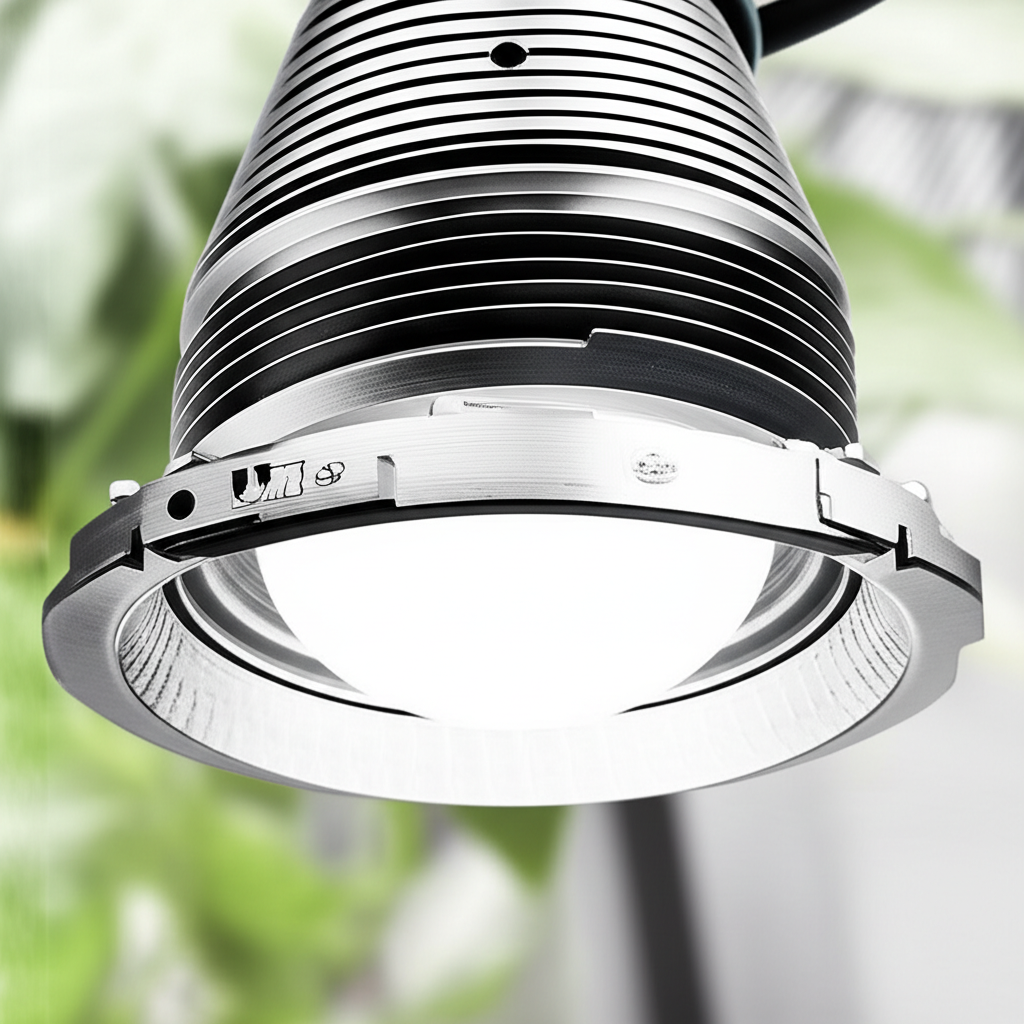
For growers seeking a middle ground between traditional HPS and modern LED technology, Ceramic Metal Halide (CMH) lights—also known as Light Emitting Ceramic (LEC)—offer a compelling alternative that combines some of the best attributes of both lighting systems.
What is Ceramic Metal Halide (CMH/LEC)?
CMH lighting is an advanced form of metal halide technology that uses a ceramic arc tube instead of the traditional quartz found in standard metal halide bulbs. This ceramic construction allows the bulb to operate at higher temperatures, resulting in:
- Improved spectrum quality with better color rendering
- Higher efficiency than traditional MH or HPS
- Longer bulb lifespan
- More stable color temperature over the bulb's life
"I love my CMH and HPS. They're cheap and they work well. Quality LEDs get expensive quick."
CMH vs. HPS vs. LED: The Comparison
| Feature | HPS | CMH | LED |
|---|---|---|---|
| Spectrum | Yellow/red dominant, limited blue | Full spectrum with balanced blue and red | Customizable, typically full spectrum |
| Efficiency (μmol/J) | 1.0-1.7 | 1.5-1.9 | 1.8-3.0 |
| Heat Output | High | Moderate | Low |
| Initial Cost (315W/600W equiv.) | £150-250 | £300-450 | £500-800+ |
| Bulb Lifespan | 10,000-12,000 hours | 20,000-24,000 hours | 50,000+ hours |
| UV Output | Low | Moderate to High | Typically Low (unless UV diodes added) |
The Advantages of CMH Lighting
Superior Spectrum Quality
One of the most significant advantages of CMH lighting is its spectrum:
- Full Spectrum: Contains all wavelengths plants need throughout their lifecycle
- Balanced Blue Content: Higher blue light than HPS, promoting compact growth and resin production
- UV Content: Contains beneficial UV-A and UV-B, which can enhance trichome development and plant defense mechanisms
- High CRI: Color Rendering Index of 90+ makes plant assessment easier and more accurate
Efficiency Improvements
CMH offers efficiency advantages over traditional HPS:
- Higher PAR Output: More usable light per watt consumed
- Lower Heat: Produces less heat than HPS for the same usable light output
- Longer Bulb Life: Typically double the lifespan of HPS bulbs
- Stable Output: Maintains spectrum quality throughout bulb life
Growth Characteristics
Plants grown under CMH often display distinctive characteristics:
- Compact Growth: The balanced spectrum promotes shorter internodal spacing
- Enhanced Trichome Development: UV content can increase resin production
- Vibrant Coloration: Better expression of anthocyanins (purples, blues) in plants with that genetic potential
- Robust Terpene Profiles: Many growers report enhanced aroma and flavor profiles
Common CMH Configurations
315W CMH
The most popular CMH configuration:
- Coverage: 3×3 to 3.5×3.5 ft (9-12 sq ft)
- Equivalent To: 400-600W HPS in terms of usable light
- Ideal For: Small to medium grow spaces, supplemental lighting
630W CMH (Dual 315W)
Two 315W bulbs in a single fixture:
- Coverage: 4×4 to 5×5 ft (16-25 sq ft)
- Equivalent To: 800-1000W HPS in terms of usable light
- Ideal For: Medium to large grow spaces
Color Temperature Options
CMH bulbs come in different color temperatures:
- 3000K: Warmer spectrum, more red/orange, ideal for flowering
- 3100K: Balanced spectrum, good for all growth stages
- 4000K: Cooler spectrum, more blue, ideal for vegetative growth
- 4200K: Coolest spectrum, highest blue content, specialized for vegetative growth
Many growers use 3100K as an all-purpose option, or combine different temperatures in dual-bulb fixtures.
Practical Considerations
Special Ballast Requirements
CMH bulbs require specific ballasts:
- Must use low-frequency square wave ballasts designed for CMH
- Cannot use standard digital ballasts designed for HPS/MH
- Typically run at lower wattages (315W, 630W) than traditional HPS (600W, 1000W)
Heat Management
While CMH produces less heat than HPS, proper management is still important:
- Requires approximately 70% of the cooling capacity needed for equivalent HPS
- Still benefits from air-cooled reflectors in smaller spaces
- Produces more focused, intense heat directly below the fixture
Light Positioning
CMH fixtures have different positioning requirements:
- Hanging Height: Typically 18-24 inches above canopy
- Coverage Pattern: More concentrated than HPS, less spread
- Penetration: Excellent penetration similar to HPS
Cost-Benefit Analysis
Initial Investment
A complete 315W CMH system typically costs £300-450, positioning it between HPS (£150-250 for 600W) and LED (£500-800+ for equivalent output).
Operating Costs
For a 315W CMH vs. 600W HPS:
- Electricity: CMH uses approximately 50% of the electricity
- Bulb Replacement: CMH bulbs last about twice as long but cost 1.5-2x more
- Cooling Costs: CMH requires less cooling, further reducing operational expenses
ROI Timeline
Compared to HPS, the higher initial investment in CMH can typically be recouped within 12-18 months through electricity savings alone, depending on usage patterns and local electricity costs.
Is CMH Right for You?
Consider CMH if:
- You want better spectrum quality than HPS but aren't ready to invest in high-end LEDs
- Heat is a concern but you still want the penetration of HID lighting
- You're looking for a balance between initial cost and operating efficiency
- You value spectrum quality and plant response over raw output
- You're growing in a medium-sized space (3×3 to 5×5)
Consider alternatives if:
- You're on an extremely tight budget (HPS may be better)
- You need maximum efficiency regardless of cost (high-end LED may be better)
- You're growing in a very large commercial space (HPS or LED may scale better)
- You need absolute minimum heat output (LED would be better)
Conclusion
CMH lighting represents a compelling middle ground in the grow light spectrum, offering many of the advantages of both HPS and LED technologies. For many growers, especially those in small to medium-sized operations, CMH provides an excellent balance of spectrum quality, efficiency, and cost-effectiveness.
As with any lighting decision, the right choice depends on your specific growing environment, budget constraints, and cultivation goals. CMH deserves serious consideration as either a primary lighting solution or as part of a hybrid lighting strategy alongside HPS or LED fixtures.